 |
The Indian union budget 2026 is around the corner and as always, the talks are on about which sectors can benefit massively from the upcoming budget. The budget in India, unlike other countries is still very important, because, it is one of the mechanisms that links monetary policy to fiscal policy in the country. This article seeks to analyse, which are all the sectors that can benefit from the upcoming union budget in the country.
(1) Trade sector - One of the sectors,which should logically benefit is the trade sector of India. Trade in the country has been hit hard, with multiple geopolitical shifts that have occured in the past year and with the threat of 500% Trump tariffs looming high. Coinicidentally, this sector has also performed well in the past year, while posting decent trade surpluses and closing out multiple trade deals like the India - Oman FTA & India - NZ FTA, while having a good pace of progress on the India - EU FTA. However, given that USA is India's biggest trading partner, measures like - ECLGS for the exporters, along with possible hikes in customs duty over agricultural imports which has been a bone of contention between India & USA in ongoing trade talks, along with increased budget allocations for the INSTC, restarting of ITS service which has been a demand from many & maybe Chabahar Port can be the big reforms that the trade sector can see in this particular budget. Many articles have already been authored over this blog for this particular sector.
Its critical for the government to also invest big in the trade sector to first stabilise the rupee's constant depriciation against almost all the major trading currencies of the world & to also assuage concerns of the constant FII outflow which has occured in the past 3 quarters, which is concerning for a country like India, which still requires foreign capital to aid its development.
(2) Dairy sector - Dairy sector in the NSE is led by an unlisted AMUL which has increased its brand presence in USA & EU countries over the past year. Dairy is an interesting sector for India, as per the recent comments by NDDB chief Manesh Shah, India is poised to produce 33% of world's dairy needs by the next decade and to the sector's credit, India is already the largest producer of dairy related products in the world. In fact, the India - New Zealand FTA was criticised recently by ministers in New Zealand, primarily because, India refused to give any concessions over dairy industry which is India's direct competitor. The sector contributes around 4% to India's 4.5 trillion$ GDP & supports 80 million rural households, which is also a massive figure considering India's agricultural population.
The output of the dairy industry shows that, it remains a productive agricultural industry in the country. Dairy productivity in the sector is really low when compared to other countries like the USA, which this union budget should ideally try to introduce mechanisation measures for this particular industry. Increased allocations for schemes like Rashtriya Gokul Mission can also be thought of in this particular budget. The budget for this ministry in the last 3 budgets was roughly around 4000 crore INR, which can see an increase in this particular budget. Marketing related reforms for the smaller dairy companies or schemes like ECGLS for the weaker dairy companies can also be thought about in this particular budget.
Additional reforms in this sector can be of, employing young professionals, consultants along with probably solving the decades long issue of double regulation for cooperative banks, which are increasingly at a risk of being insolvent, possibly under the RBI, which can bring much needed benefit for this sector which can be a sunrise sector for the country.
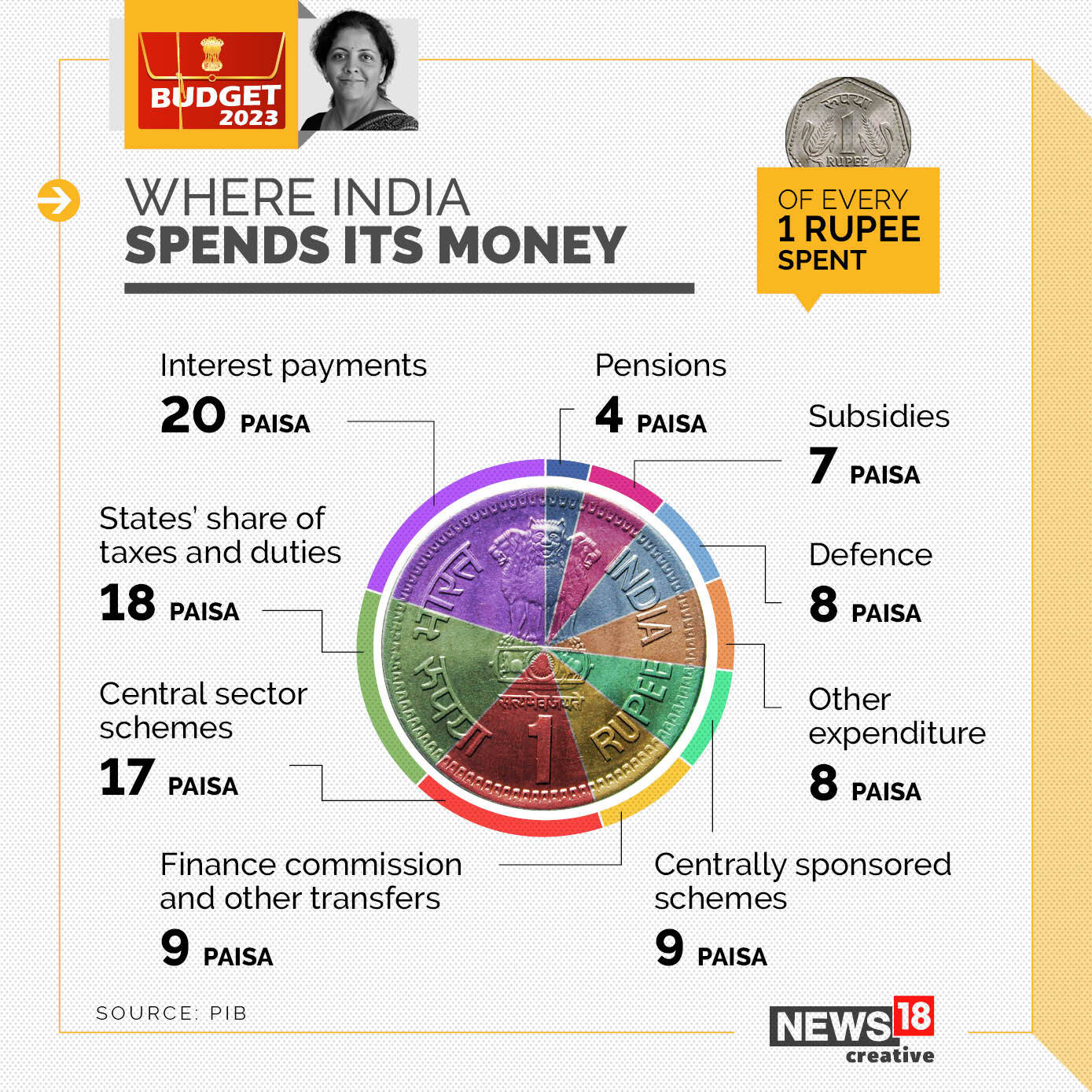
(3) Defence - Defence is all set to be the biggest winner in this union budget. The past year, India has faced multiple geopolitical challenges. The Indian Air force led Operation Sindoor, the constant commissioning of new ships by the Indian Navy & the increasing need for modernizing the armed forces is one of the biggest reasons why the capital expenditure over this sector can be around 10 lakh INR for this particular year. The bigger reform in an ideal world, would be however, to reduce the pensions component for the defence ministry which subsumes 40% of the budget every year, possibly introducing the UPS scheme for the retired officials, can help in better managing the fiscal resources, given the time has come to increasingly modernize the 3 forces.
Given, India also aims to get around 10% of defence exports in the global arms market by 2030, possible reforms can be - reintroducing defence coridoors in states like Madhya Pradesh, Uttar Pradesh, Rajasthan, Bihar, Odisha & Andhra Pradesh, which are in dire need of expanding industrial manufacturing in their states, this reform used to be a highlight in union budgets up until 2022, but since then has gone quite in the last 4 budgets in the country.
Additional, reforms in this sector can include - home production of nuclear submarines post the SHANTI bill, home production of fighter jets, concluding deals like Rafael jets and FII related reforms with respect to the IDEX program can be big winners. Furthermore, we can see an increase in budget for hiring Young professionals & consulants for this sector.
If possible, the sector must also look to increase the presence of defence related think tanks in the country to multiple cities, instead of being concentrated only in the India Habitat Centre of Lutyens Delhi, which has become synonymous of control by some retired bureaucrats who are not even graduates in defence related subjects (economics or international relations) & whose only shot to fame is clearing an exam almost 50 years ago. Such kind of control disincentivizes youngsters to undertake any productive research undertaken in this field. This was particularly clear, as seen during the aftermath of Operation Sindoor where it took almost a year to convey to the world that India had won decisively during the war.
The possible reform can be to increase offices of organisations like RIS, MP - IDSA & giving serious financial impetus to defence related magazines in India in the other cities like - Hyderabad, Bengaluru, Mumbai and Ahmedabad and inviting foreign think tanks to set up their offices outside the confines of Lutyens.
(4) Urban Development - Urban development must be a big winner in this budget, given that urban areas in the country have consistently voted in the favour of BJP. Given, the need of reforms in urban governance, the first logical step can be to increase the budget for the sector upto Rs. 15,000 crore. The urban governance area really needs massive infrastructure push, along with converting tier 2 cities into tier 1 cities, improving satellite cities in the country, rebirthing the Smart Cities mission/AMRUT Bharat scheme/ Swach Bharat scheme & financially supporting states like Andhra Pradesh, Chhattisgarh & Maharashtra, who are investing massively in creating new cities of - Amravati, Nava Raipur & Greater Mumbai area. The government, must also adopt 4, tier 3 cities namely - Bastar, Dimapur, Warangal & Barmer and develop them as model cities in the country.
This would help states to take a conscious decision to upgrade cities can help in the country achieve development priorities. A big reform can be to give greater share of funds via schemes to the states investing in such projects. The metro expansion, bullet train expansion, inland ports & RERA related reforms can also be possible gamechangers for urban development in the country.
(5) Unconventional Sectors - They are a few unconventional sectors which can also benefit from the budget, namely - nuclear energy, insurance & cartography. Nuclear energy has been identified as a big sector which can secure Indian energy needs & the liberalisation done in cartography back in 2023, can also see big investments this time around. Insurance sector can see a big change, because the country has a lot of uninsured people and just making it compulsory before the census can see massive valuations in this sector.
Additionally, the mission to eradicate manual scavenging, covering gig workers under PMJAY scheme & TB can be bigger social schemes which can turn around the lives of people qualitatively.
Overall, the budget presents an opportunity for development for many sectors and can qualitatively change the lives of people for the better.


No comments:
Post a Comment